
Uniview NVR
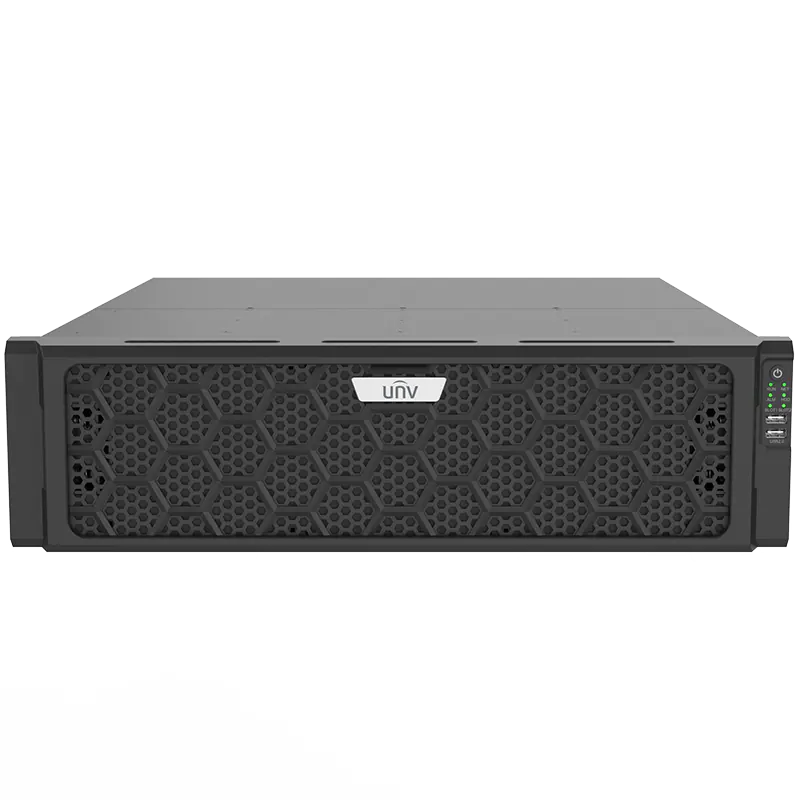
NVR516-128E-R
Login for PricingThis 128ch NVR from Uniview supports up to 16 hard drives with optional RAID configuration. It supports up to 32-megapixel cameras and HDMI 1 and 2 can be independently configured for displaying a different layout…
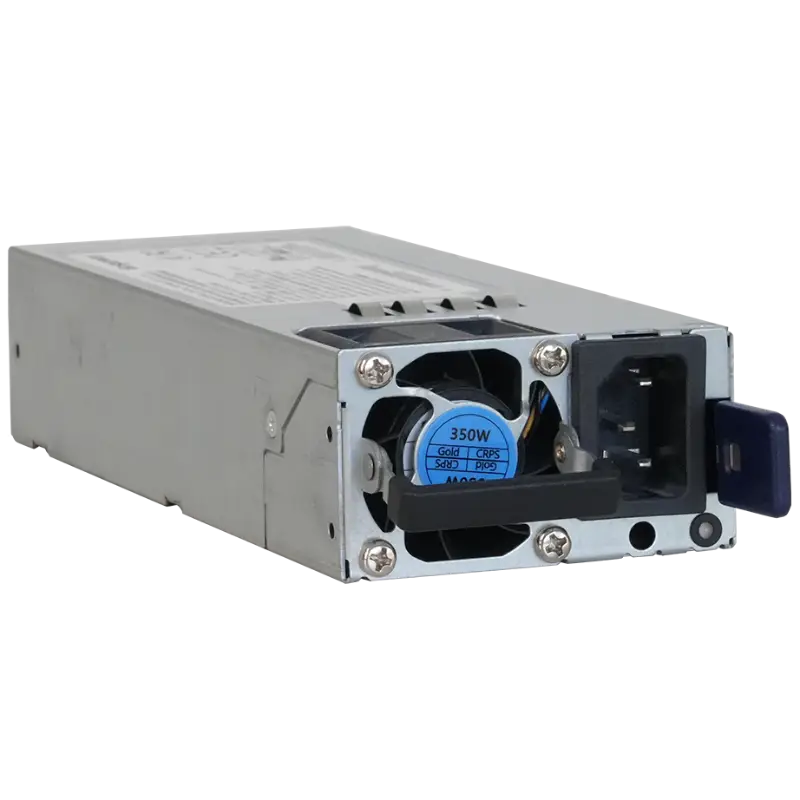
PWR-DC12-350A-IN
Login for PricingThis is a power supply for Uniview 64ch and 128ch NVRs. It can be used as a redundant power supply, ensuring that your system is operational in the event that the original power supply stops…
XVR302-16Q4
Login for PricingThis 16ch hybrid DVR from Uniview supports 16 analog cameras and up to 8 IP cameras (connected via PoE switch). It supports all common analog inputs (AHD, TVI, CVI, and CVBS), up to 8MP resolution.…
XVR302-32Q4
Login for PricingThis 32ch hybrid DVR from Uniview supports 32 analog cameras and up to 4 IP cameras (connected via PoE switch). It supports all common analog inputs (AHD, TVI, CVI, and CVBS), up to 8MP resolution.…
NVR504-32E-IM
Login for PricingThis is a professional 32-ch NVR from Uniview with advanced AI features, such as AcuSearch/AcuTrack and SeekFree, and support for AI detection with third-party cameras. You can install up to four HDDs inside this NVR,…
All about Uniview NVRs
Uniview has a variety of NVRs available, which range from the basic 4-ch NVR501-04B-P4 to the massive 256-ch NVR824-256R (which is more like a full server than a typical NVR).
When shopping for an NVR, the most important feature is how many channels it supports. For example, a four channel NVR can only support up to four cameras – no matter if they are connected via the built-in PoE ports or a separate PoE switch. If you try to add a fifth camera, you’ll be out of luck – which means you need to consider future expansion needs when buying an NVR.
Our recommendations for choosing an NVR
Generally, we recommend buying at least an 8-channel NVR for your home or office. There’s only around a 15% price difference between the 4-ch and 8-ch NVR – while giving you literally twice the camera capacity. Even if you only install two or three cameras to start with, you might find yourself wanting more cameras down the road – in which case the 4-ch NVR will feel quite restrictive.
Another consideration is how many HDD slots your NVR has. You can tell how many slots your NVR has based on the first number. For example NVR501 has one HDD slot, while NVR 502 has two slots, and NVR504 has four slots. With extra slots, you can expand your hard drive capacity down the road – and the higher NVR models allow you to put drives into RAID mode for storage redundancy.
Depending on which RAID mode you choose, you can have one or two hard drives fail without losing any footage. However, since hard drives are quite expensive (especially in August 2026) we don’t recommend using RAID mode on the NVR unless the footage is important for compliance reasons.
For most projects, a 32-ch NVR is more than enough to accommodate existing and future camera needs. We suggest the NVR504-32B-P16 – which has four HDD slots and has 16 built-in PoE ports. It also supports advanced features such as RAID 1 & 5, fisheye de-warping, and support for LPR cameras.
Two NVRs in a single location? Why?
If something happens to your NVR – for example, if it gets stolen or damaged during a break-in – then all your footage of the event will be gone. There are two solutions to this:
- You can subscribe to a cloud-backup service and keep a short window of footage in the cloud. However, these services typically charge at least $20 a month per camera for a single week of backup. And they always compress the footage to a lower quality in order to reduce costs from their end.
- You can purchase a second NVR and connect it to your network, then hide it in a different room or above the ceiling tiles in an office. You can configure the cameras to record to both NVRs at the same time so that if one gets stolen, you still have full coverage of the event.
Of course, you have to buy the hardware for the second NVR, as well as hard drives for storage (you can opt for half the storage of the primary NVR) – but you don’t have to pay any subscription feels. And, the footage records in full resolution to both NVRs at the same time.
So, before you you subscribe to a costly cloud-backup service, you may want to consider buying a second NVR instead. If you’re curious to learn more, you can read this article for full step-by-step instructions:
Other features on NVRs to consider
Aside from channel number and hard drives slots, you may want to consider the following features on an NVR:
- Alarm in/outputs –> This is useful when you want to integrate the NVR with an alarm or access control system.
- Multiple HDMI outputs with independent layouts –> If you’re connecting the NVR to multiple monitors, you may need to display four cameras on one screen, and sixteen on another.Not all models support this function, so make sure you see independent layout in the datasheet before you commit to a purchase.
- Advanced AI features –> As of August 2026, Uniview’s -IQ series NVRs support advanced AI features, such as AcuSearch and support for AI detection on third-party cameras.
- Multiple WAN ports –> You can use an NVR with multiple WAN ports to keep the cameras isolated from the rest of the network. The NVR508 and 516 series have two WAN ports, while NVR824 has four WAN ports.
Be sure to go through the datasheet for each NVR if you’re making a large purchasing decision – don’t assume any specific feature will be supported without confirming it first.
Where to buy a Uniview NVR?
You’re in the right place! If you’re looking to purchase a Uniview NVR, please send us an email or give us a phone call. Visit the Contact Us page and send us a message with your requirements. We ship across Canada and the United States – we’re happy to help with any project you need.